We said goodbye to Montenegro and crossed the Albanian border, with yet again no cars and no queues at the border crossing. Instantly the world felt different. Mosques started to reappear, shops were smaller and more rudimentary, the rubbish was more prolific, houses were painted in much brighter colours, and even the hay bales were in different shapes. About a kilometre down the road we saw our first (but so far only) horse and cart clambering down the road.
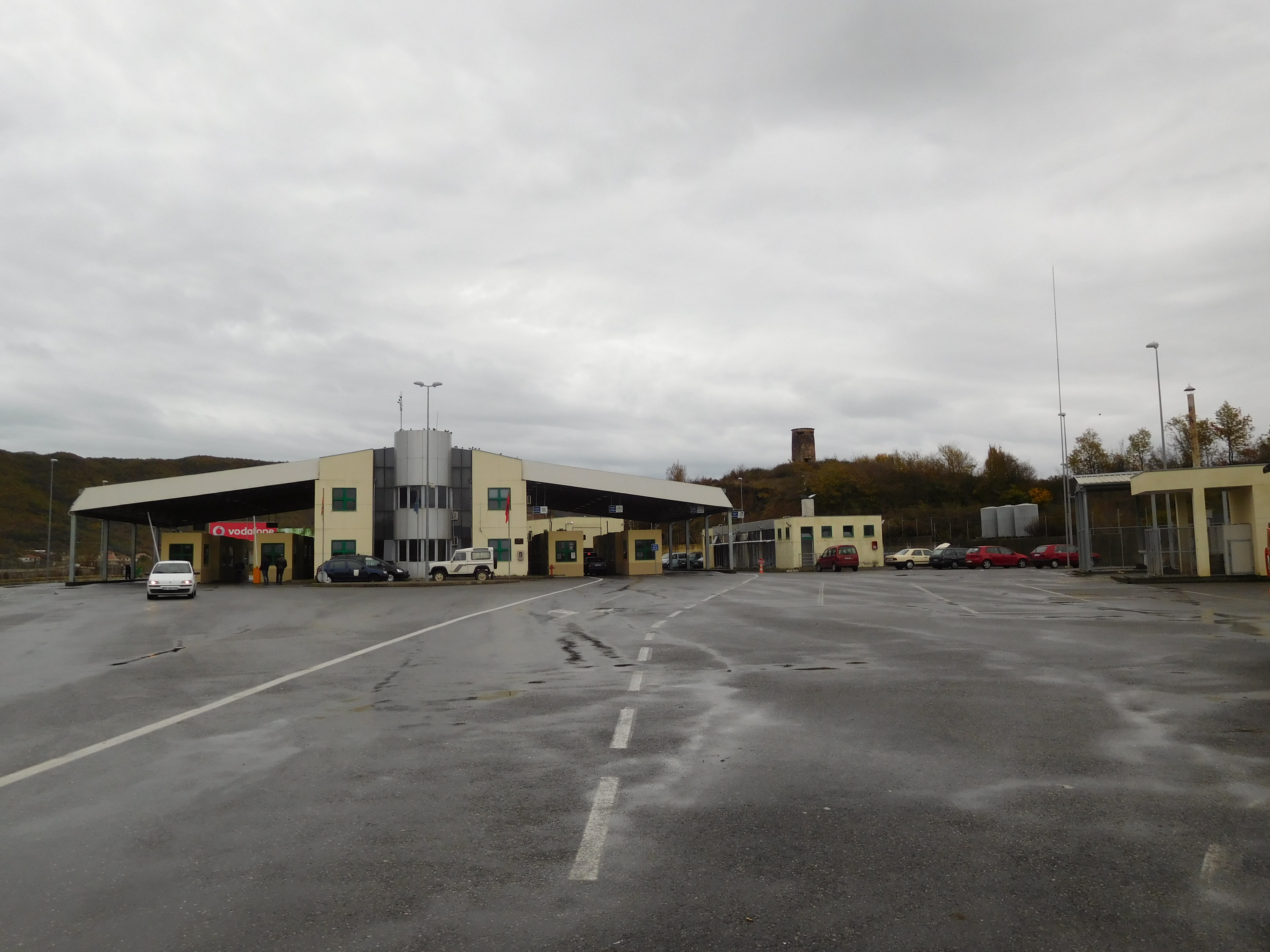
The ride into Shkoder was flat and as the rain was getting heavier we pushed through it quickly and made it to the hostel by 2pm.
Shkoder itself was much nicer than we had imagined. The few blogs we managed to find that mentioned the city painted the picture of a wild west town with run down hotels and limited supplies. What we found couldn’t have been more different – wide streets with sand coloured cobble stones, great restaurants, well stocked shops and a really cute little hostel.
We spent the next day exploring the city, which included a trip to the ‘Museum of Communist Crimes’, also called ‘The place of testimony and memory’. We arrived at 2:45pm, only to find that the museum shut at 2:30pm. Bugger! Matt tried the door anyway, and we were so glad he did, as the rattle brought us to the attention of the museum manager. Even though the museum was closed she said we could still come in if we wanted (and then went and turned all the lights in the museum back on for us).
The museum had a small information display and a few artefacts detailing some of the atrocities committed during the communist era. Albania was ruled by a brutal dictatorship for more than 40 years from 1944 until the death of the sole dictator, Enver Hoxha, in 1985. The dictatorship, communist propaganda and isolation imposed on Albania has been likened most closely to that of the North Korean regime.
Initially, Hoxha cut Albania off from any contact with non-communist countries, maintained ties with only other communist nations (Stalinist Russia, Tito’s Yogoslavia and later Mao’s China). However, these relationships didn’t last, and over time Hoxha began to criticise the communist regimes, first in Yugoslavia and then in post-Stalin Russia, for being to liberal. He ultimately severed all ties with Europe, completely isolating the country. It was strictly forbidden for Albanians to travel outside of Albania, and anyone caught tried to flee was imprisoned or shot. Freedom of speech and expression was strictly controlled, and many artists and writers were imprisoned for creating works that were perceived to depict a less than perfect view of life in Albania. The importation of goods was also highly restricted. Food was simple and rationed, and material goods were few and far between. Despite this, the propaganda program was so extreme, that many Albanians were brainwashed into believing that their country was the best in the world, and were under constant fear of invasion (because the rest of the world must surely be jealous and want to take a piece of what they had). During the rein, more than 600,000 concrete bunkers were built (approximately one for every 4 persons) across the entire country, in preparation for an impending invasion that never occurred.
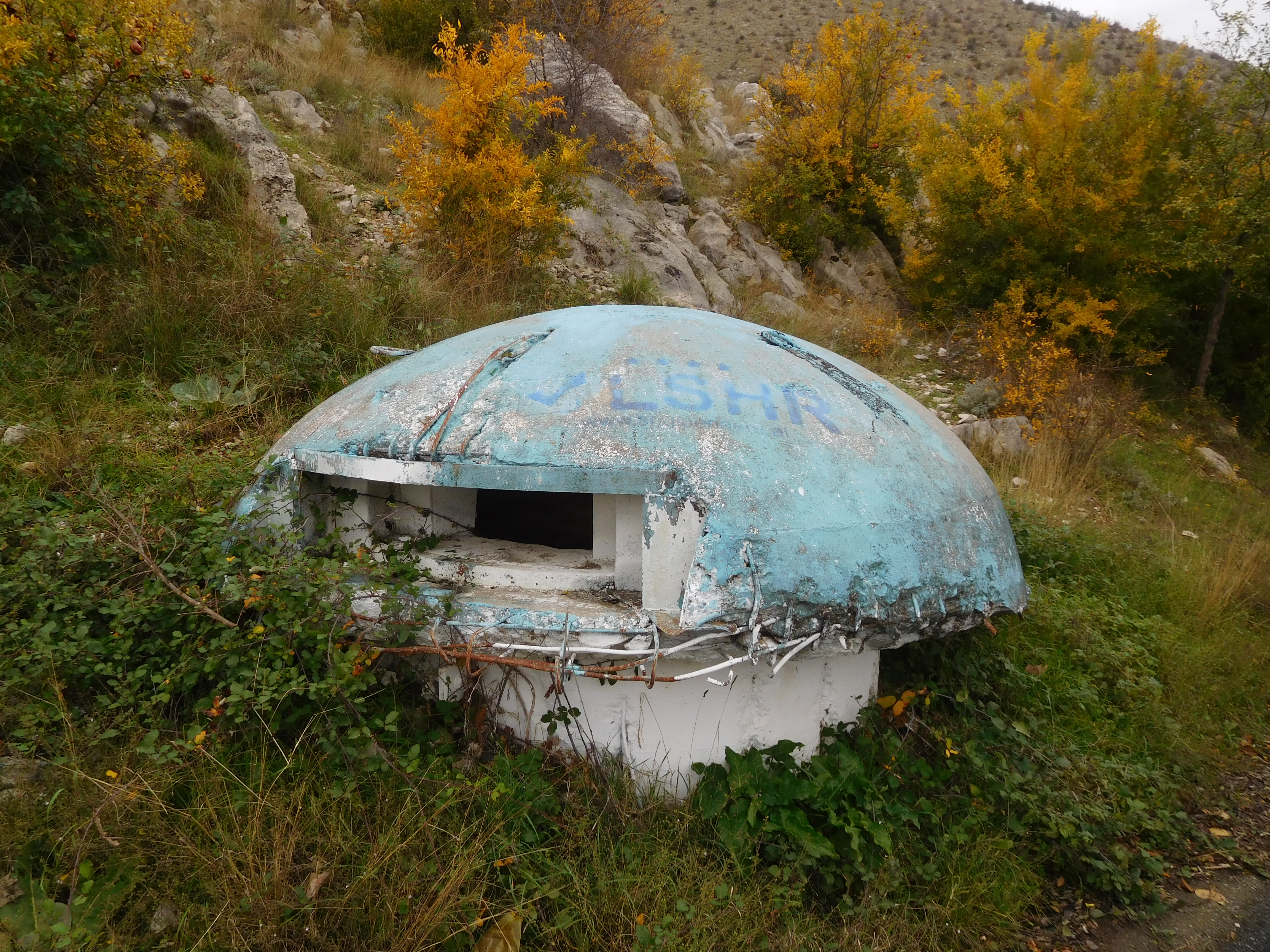
The museum is located in the former headquarters of the secret services, and had preserved a prison cell block which you could walk through. The block included an interrogation chamber. It was cold, dark and damp, and the stories of what had occurred within those walls were chilling. Shkoder had been the site of the largest resistance against the communist regime, and so the fist of the dictator was felt particularly hard in the region. The prison was one of 22 built in the city.
 4ks an hour